


By Elizabeth Cleary
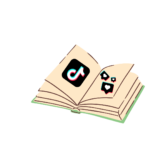
“BookTok,” for those unfamiliar, is a niche on TikTok where creators and community come together to post and discuss content relating to books. This content includes reviews, recommendations, bookshelf tours and more. While BookTok may have started as this wholesome community for readers to come together, it has turned sour and, I would argue, has reshaped book and reader culture for the worse.
I don’t think it’s dramatic to say that we are in a literary crisis. The rise of AI and short-form video content has limited the attention spans and comprehensive abilities of many. People no longer want to read a novel when they could have an AI tool summarize it for them or a TikTok deliver the information in a 60-second clip. The ease and instantaneousness of these devices is a trap that more and more people are falling for at the expense of their intelligence.
But how is BookTok connected to the literary crisis? Aside from the fact that BookTok is housed within TikTok, which is known for its short-form video content, BookTok has been influential in shaping what and how people read. And the books that are becoming increasingly popular on BookTok are erring on the side of sexual and social violence.
The genres most concerning, to me at least, on BookTok are romance and dark romance. The books that fall under this category, nowadays, tend to explore relationships that are toxic and violent, endorsing and romanticizing them. The books are also loaded with problematic sexual content, sacrificing plot for sensationalism.
This is not me saying that the romance genre or sexual content in books is inherently bad, but these particular books cause the rest of the genre to be discounted as mindless fodder. The content in these books is also dangerous, especially when the intended audience is young people with impressionable minds.
As these books have grown more popular on BookTok, the content has also shifted to deliver the reader with the same instant gratification that can be seen in short-form video content and in AI tools. The sexual content that, normally, is meaningfully built up over the course of the book is pushed to the front and heavily doled out at frequent intervals. By doing this, the reader is no longer as invested in the plot of the book, but rather in getting a dopamine hit without having to work for it.
But then the question arises: Why should we have to work for dopamine? Why is instant gratification a bad thing? I hit on this earlier, but an over-reliance on instant gratification ultimately changes our brains and how we interact with the world. When we trade long-term success and reward for short-term pleasure, we no longer want to put effort into things that take time and deeper thought. But these things that take time and deeper thought are the things that keep us intelligent, active members of the human race. So, we have to be careful.
While this shift in what is popular is having an obvious effect on reader culture, it’s also having an effect on book culture. Nowadays, it isn’t very hard to self-publish a book, and with social media as a free advertising tool, anyone can promote anything so long as they are dedicated to finding their audience and pushing their product. When writers saw the audience for romance and dark romance on BookTok, many also saw an opportunity to get their foot in the door. People began writing books specifically catered to this audience, employing sought-after taboo themes, extreme power imbalances in character relationships and instant gratification in sexual content. As book after book (all the same, if you ask me) has been churned out for this audience, the publishing industry has shifted as well. It’s much easier to give a reader what they want rather than tell them what they want, after all. But by giving people what they want, the room for reader exploration and growth continuously shrinks.
Now, I’m not trying to evaluate which books are good and which are bad, but I do think I’ve made a compelling argument for why these specific books are bad. So, where is the space for good literature in a culture that is increasingly valuing bad works? Where is the space for literature that asks us to think critically and question our morals and values, that makes us see the world through a new lens, that informs us and calls us to action?
There will always be people who make the space for these works, but until we can address the problem of BookTok and the culture it has created, we will remain in an ever-growing literary crisis.