







Student: ICE has “no concept of due process”
BY: LINDSEY UNNERSTALL
Sports Editor
Following the return of President Donald Trump’s Administration to the White House, immigration law enforcement has ramped up its efforts to secure the border and hunt down non-citizens all over the country. During the first few months of 2026, U.S. Immigration and Customs Enforcement (ICE) officers have been sent by the federal government to many cities across the nation in efforts to locate and detain immigrants. Although there isn’t a large presence of ICE in the St. Louis area, tensions are still high in the community.
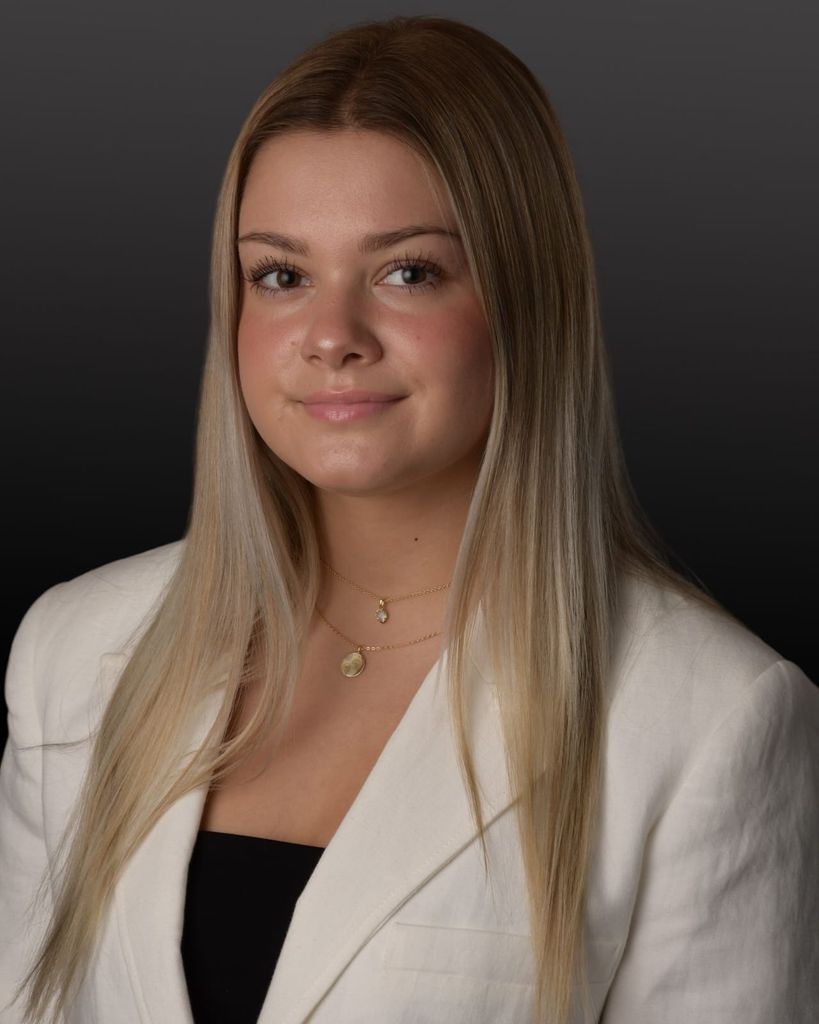
Meramec student Ameerah Power is a high school junior that participates in the school’s dual-enrollment program, and feels the weight of looming ICE threats in her everyday conversations.
“In the St. Louis area, I think the presence or the idea of ICE can make people anxious and feel unsafe to even leave their home. Personally I haven’t been directly impacted, but I talk to some of my friends about it and some of them are undocumented. It makes me think about how these policies and enforcement affect real people. It’s not just statistics,” Power said.
Many citizens across the country are upset with the use of violent tactics when detaining people, many of which have turned out to be American citizens. Many schools and organizations have stood up and protested the killings, physical violence and aggression used by the officers all around the nation.
A fellow student from Maryville agrees with the anger toward ICE and feels the panic in her own community after there have been unconfirmed reports of federal agents in St. Peters and surrounding areas.
“I think that ICE being in St. Louis is terrifying. They have no concept of due process and we consistently see them getting away with hurting people simply because they are a different race,” the student said.
Students from many local school districts walked out of class in protest of ICE on Jan. 30 as part of a “national shutdown,” including nearby Kirkwood High School.
“On campus I generally feel safe. But I think safety isn’t just about physical security, it is also about emotional security because there are people who are scared to leave their homes,” Power said. “I could do bad on a test but they’re thinking about if their family is safe rather than actual material and stuff like that. I feel like students should come to school without fear that their immigration status could put them at risk for being in jail.”
Following the video-recorded murders of white American citizens like Renée Good and Alex Pretti, as well as a reported number of eight deaths in ICE detention, there is an outrage among many local and national communities for federal agents using violence and targeting people that are merely involved in protests or recording their actions.
“People are scared. I’ve had friends skip school in fear of ICE, worried for their families,” the Maryville student said. “I, myself, have been told to carry a passport and birth certificate around because they might profile me even though I am a U.S born citizen.”
Although Power doesn’t face direct impacts to herself or her family, the shift in her daily life is noticeable.
“I do think it affects the atmosphere heavily. Even if nothing is happening directly to me or on campus, I feel like the conversations, the headlines and the media posts change how people feel every day,” said Power.“I think that talking and learning about it and having empathy for people who are in those situations is important so that the fear we have doesn’t define us.”
Both students feel unsure of what would happen if ICE agents were to come into their schools or communities, but hope that the systems around them would support and protect students’ privacy. Whether or not ICE is in their communities or someone else’s, they don’t believe violence and threats are the answer.
“ICE has gone too far. There needs to be strict regulation and a more humane approach than ripping families apart, sending them to random locations, and profiling people and locations because of the places they reside,” the Maryville student said.