





Graduate nursing major no longer a professional degree
BY: LINDSEY UNNERSTALL
Sports Editor
Under the One Big Beautiful Bill Act (OBBBA) that is effective in July 2026, The U.S. Department of Education has reclassified many majors, including nursing, as no longer “professional degrees,” meaning graduate nursing students will receive fewer amounts in student loans.
The new bill was approved in 2025 and restricts nursing students federal loan limits down from $200,000 lifetime to $100,000, cutting the borrowing limits in half from the previous. For many undergraduate and graduate students across the country, this is a daunting bill that changes the nursing game, as the nation is already facing a nursing shortage.
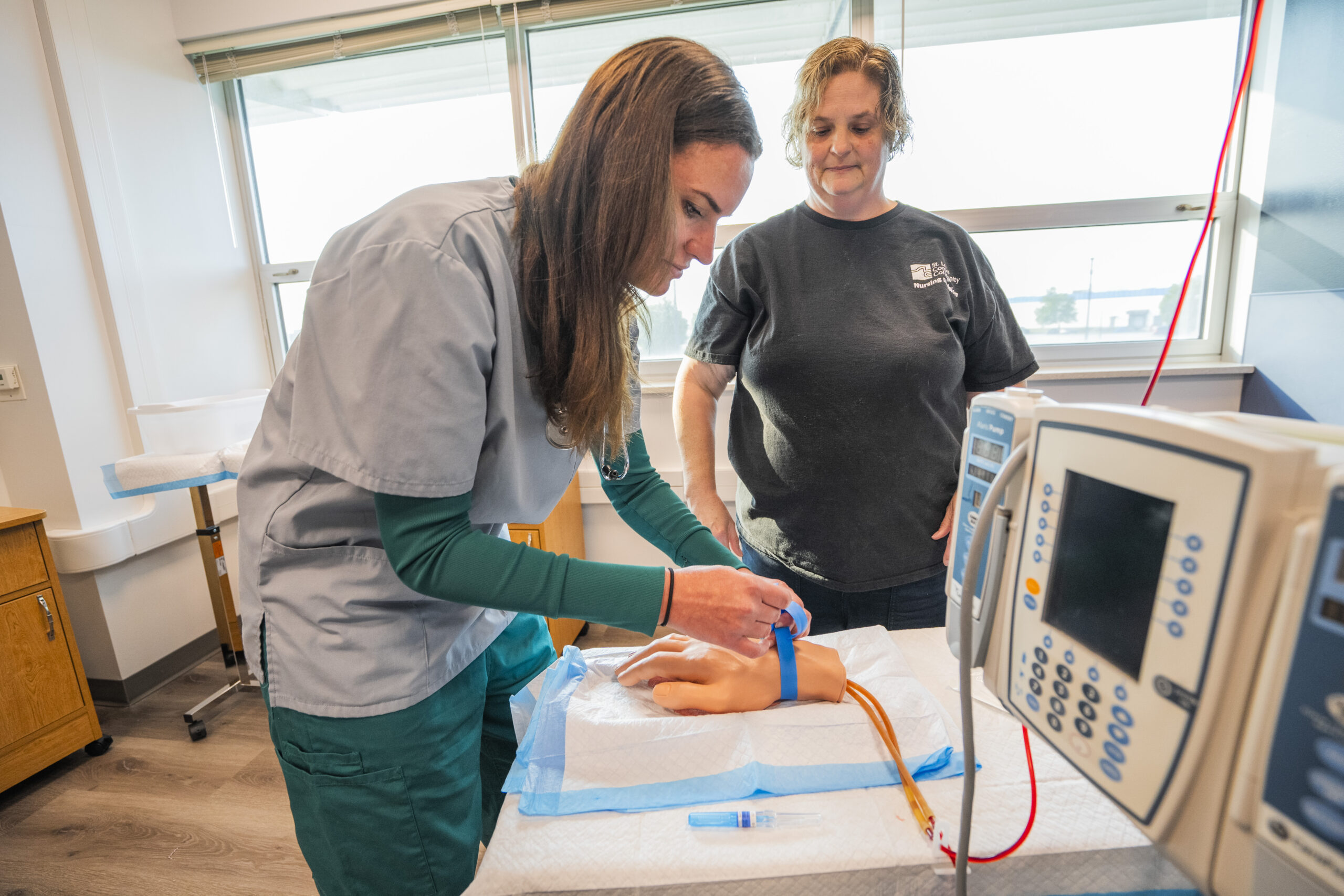
April Norton Gunther, assistant professor at STLCC, is also a registered nurse with a master degree in nursing, and faces the challenges of this bill from both a nurse, professor and student perspective.
“I’m currently working on my doctorate in education with a nursing education focus. I have always loved being a nurse. I have always loved education, which is kind of a central aspect of being a nurse, as a lifelong learner,” said Norton Gunther.
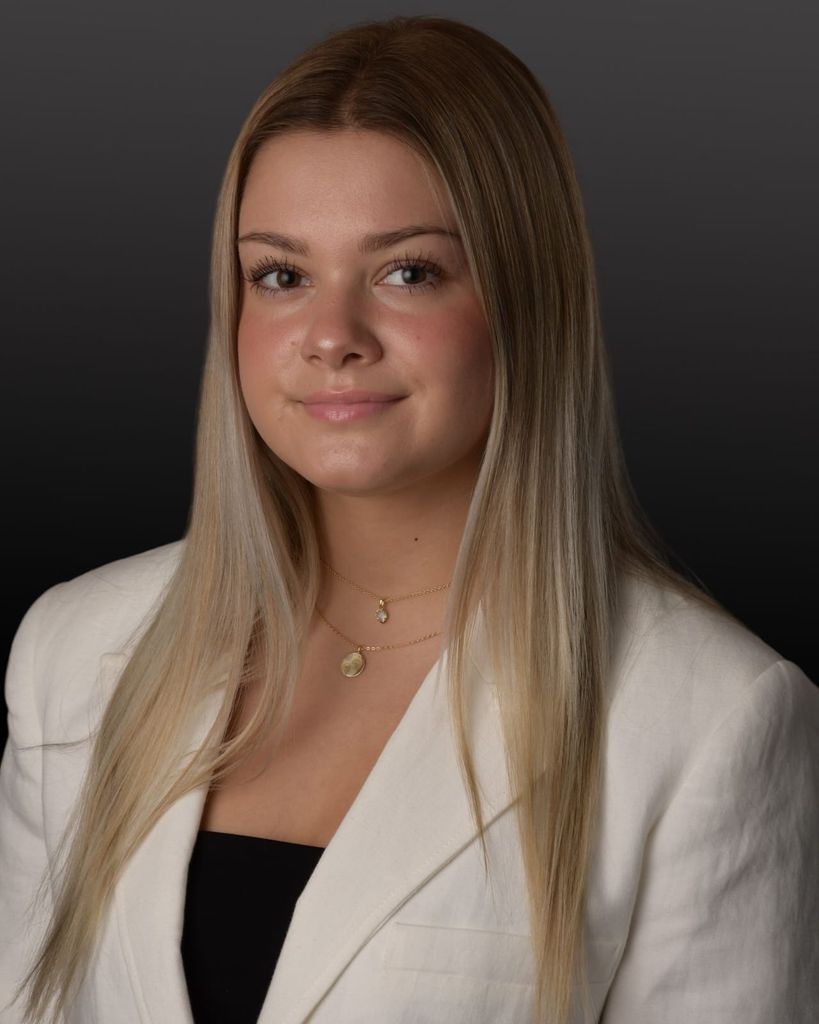
Although the bill doesn’t affect undergraduate student loans, it still affects community college students and their future in nursing. According to Meramec nursing student Hannah Duffey, the bill is just the first step downhill for nurses across the country.
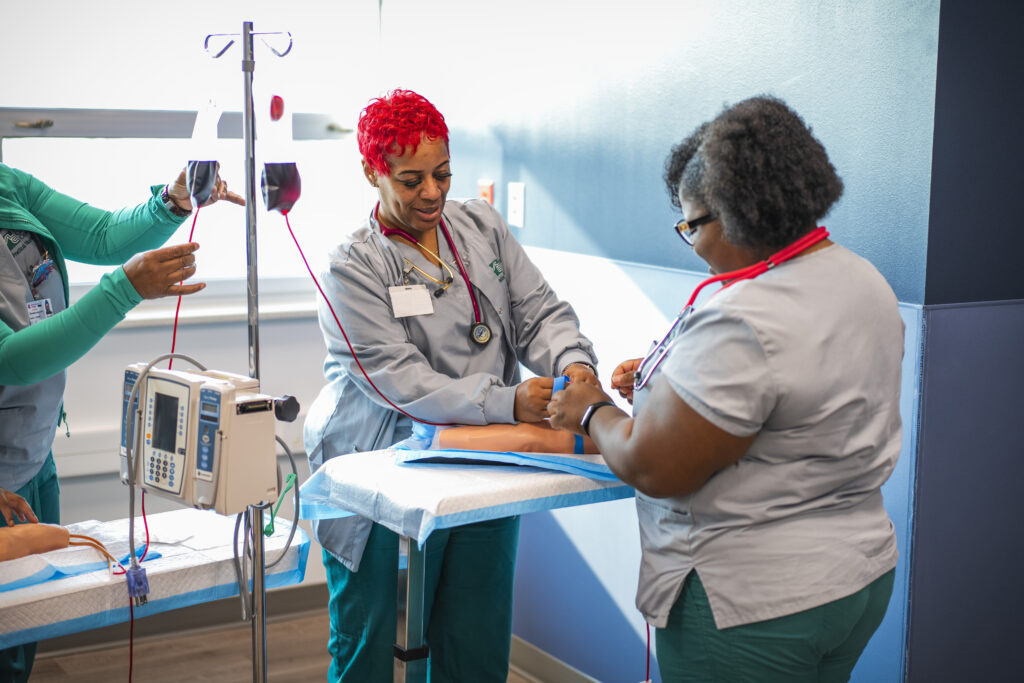
“The future of nursing could be significantly influenced by these policy changes. If funding and support decline, burnout may worsen, intensifying the national nursing shortage,” Duffey said. “[These] challenges can also motivate stronger advocacy and leadership within nursing.”
The lack of government funding for higher education could potentially halt undergraduate students from pursuing a higher degree in nursing due to the expense, and may limit some from being able to afford it at all.
“Even those that are able to afford it, are they going to put forth that money? It’s costing me $50,000 to get my doctoral degree. And there was no return on investment there. Even if I have the money, am I going to see the benefit to pay that without having help from the federal government? I see that a lot of people will shy away because of that,” Norton Gunther said.
Prior to the bill, America had already been facing a nursing shortage, with the American Association of Colleges of Nursing projecting an 8.06% overall shortage for 2026, meaning over 263,000 vacant resident nursing jobs.
“We don’t have enough nurses at the bedside already. And then when we put new nurses out there, they don’t have anybody to mentor them. If we don’t have the educators to teach new nurses, we’re not going to be able to bring new nurses into the healthcare field. [Students] across the nation are turned away from nursing schools because there’s just not enough faculty available,” said Norton Gunther.
Norton Gunther has a passion for advocating for community colleges as she graduated from one herself and realizes the impact they make for people who might not have other opportunities. The new bill only lowers the opportunity for undergraduate students like those at STLCC to pursue higher education.
“It does. It very much limits the opportunity. For people to even think about it or consider it. It’s going to affect healthcare for everybody,” she said.
Although the bill takes a big hit at the nursing profession, many organizations and associations have not backed down in response to the government’s new act. Norton Gunther, LPN Program and Bridge Chair herself, stands by the American Nursing Association (ANA) and the National League for Nursing (NLN) as they push back on The Department of Education’s legislature.
“[The ANA’s] core points are that nursing is inherently a licensed profession with rigorous education, defined scope of practice, autonomous judgment and clinical settings and to have nurses not being a part of that distinct profession; it’s incorrect and it will undermine access to care,” Norton Gunther said.
The organizations give hope and empower the current nursing students as well, according to Duffey.
“Organizations such as the ANA continue to advocate for policies that protect nursing education, safe staffing, and professional recognition,” said Duffey. “Political awareness among nurses may ultimately strengthen the profession’s voice.”
Norton Gunther just hopes the point of nursing education is not lost among the younger generation of student nurses.
“I would hope to take a spin that this is a message to nursing students to back those nursing organizations, that we do have a voice and that we need to come together and fight for that definition so that we have those avenues to be able to continue our degrees and continue to be lifelong learners.”